
Contributor Guidelines
Here they are at last!

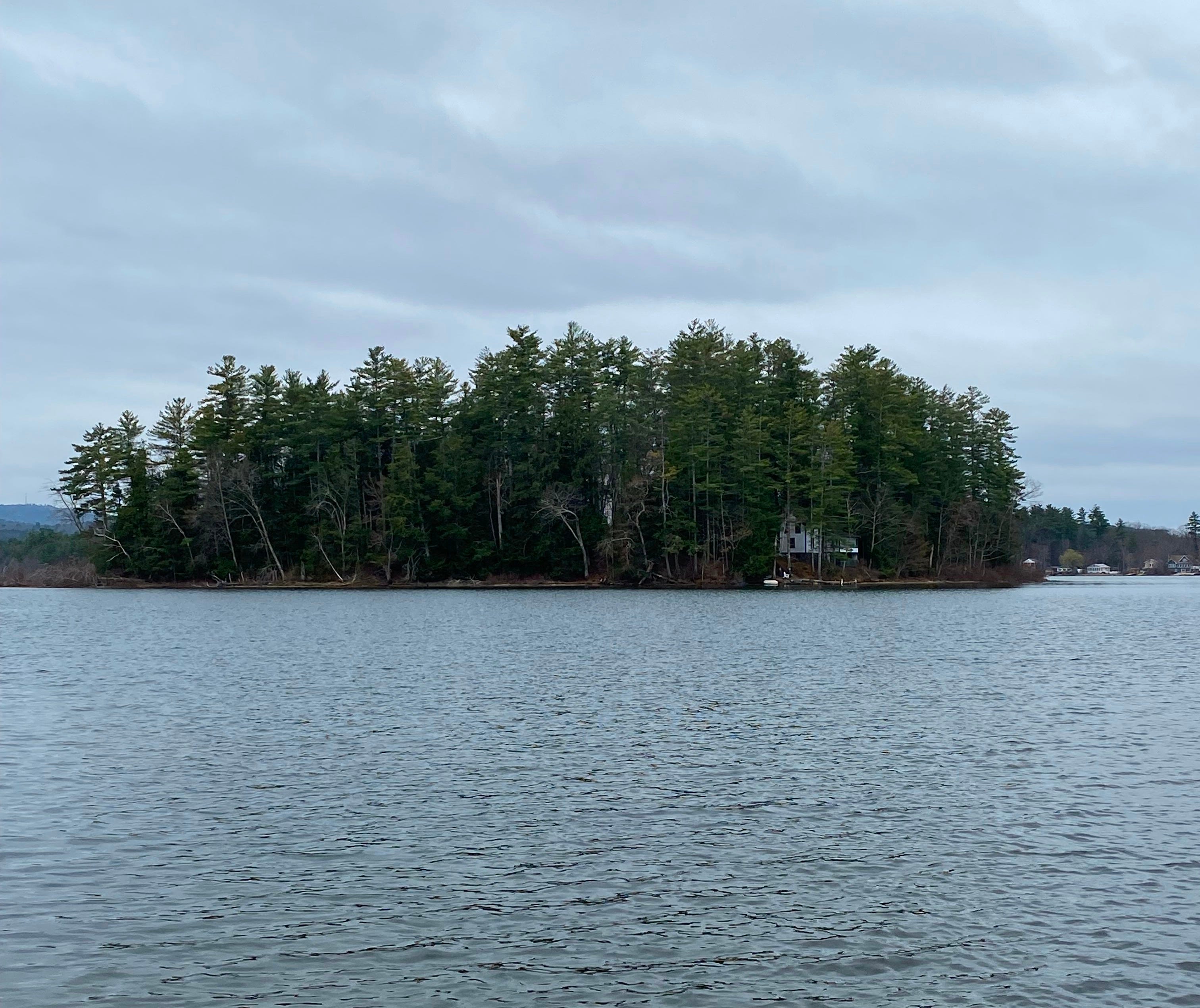
I started this newsletter with two goals in mind: to improve my writing and to use it as a platform to build awareness for the print magazine I’m developing The first issue will come out in November so it’s time to gather the material. Read the details and let me know what you think.
Lake Journal is an independent print magazine celebrating New England’s lakes. Available three times a year, each issue focuses on the unique character of one lake and its watershed.
From New Hampshire’s Lake Winnisquam to Rhode Island’s Worden Pond, our stories keep you on the water. Lake Journal explores how artists, craftspeople, and naturalists are inspired by the lakes. We examine the lake’s legacy through history and design. Every issue of Lake Journal highlights the conservationists whose work is fundamental to the watershed. As the only magazine devoted to the lakes of New England, we understand the profound and essential impact of the water on our lives.
Who am I? (And why am I publishing a magazine?)
I’m René Paquette, a writer and an educator who was raised in New Hampshire’s Lakes Region and I married into a Maine lake family. Magazines were everywhere when I grew up, their influence on me was formative. I subscribe to many and still have the Sunday paper delivered. I love the potential of print and recognize the space for a periodical that celebrates New England’s freshwater. The power of a natural setting as a catalyst for stories is stronger than ever. What better way to capture those moments than through an independent magazine. I invite you to join us.
As a native New Englander I understand the attraction to the way of life on our lakes. What it means to go to “camp” on the weekends. Seasonal chores like rebuilding the rock wall on your boundary. Attending holiday parades that last ten minutes. A little nostalgic, a little DIY. It’s a classic, durable aesthetic. Sure, we can be a little abrupt but like you we want to be on the water by sundown on Friday night in order to take it all in.
I have a sense that with the right people—writers, photographers, artists, designers—we can produce a magazine that reflects this. The classic, practical, and beauty-in-simplicity that New England is known for. These are the kinds of experiences Lake Journal will offer.
How will we tell these stories?
Lake Journal is an exploration of how the lakes inspire us to live creatively and in community. We’ll tell the stories people want to share—we aren’t looking to give away secrets. We want readers to settle in with the magazine and while away the hours.
The theme of each issue is the character of one lake and its watershed. As a result, we expect that the issues will be a little different. That’s the beauty of magazines— their ability to tell stories in multiple ways. This might include narrative features or reported stories about the lake’s history. Profiles of characters who live near the water. Backstories about iconic houses, hotels, or gardens.
We’ve got some ideas but we know you have many more. If you’re a professional writer, photographer, or illustrator with evidence to show you can produce good work, please reach out. See pitch instructions below.
Which lake is the focus for this issue?
Issue number one of Lake Journal will focus on Lake Winnisquam, New Hampshire and its watershed. The towns of Belmont, Laconia, Meredith, Sanbornton, and Tilton surround the lake. Lakes Wicwas, Opechee, and Silver plus Pickerel Pond in Laconia and Saltmarsh Pond in Gilford are also part of the watershed. The Winnipesaukee River connects them all.
Here’s an idea of the type of content we’re looking for based on the structure of each edition:
Front of Book:
The Watershed (500-1000/words)
These short takes will introduce readers to the magazine and the lake. We’re looking for creative and artistic pieces to draw readers in. This could include:
Infographics or illustrations that may include
Statistics about the lake and its environs
Definitions of words related to the lake or lake science like watershed or limnology. Or even New Englander’s use of the word “camp” to denote their place on the lake.
Indigenous land acknowledgment
Photos of Camps/Trails/Spots—recognizable spots or before and after comparisons of them through time
Brief Q&A—Five-question interviews with well-known characters, local experts on lake-related topics
Features (Up to 2000 words, longform stories that have deep reporting or immersive storytelling)
Stories you’ll take time to read when you’re near the water
Profiles of characters—artists, artisans, community members
Tales from the region (reported tales too good to be true or ghost stories)
Changes in lake house design, recreation or tourism
The posters designed mid century by tourism bureaus and the railroads are stunning! Does anyone have access to originals or can identify the designers and their background?
History, both ancient and new, historic sites or museums
General interest science/Conservation efforts (outside of a profile about the organization we’ll highlight at the end of the book)
Outdoor activities near or related to the water
For example, who are the folks working to connect the rail trail? Where are they in the process? What impact will it have on the watershed, its people and recreation?
And finally, what draws us to the water? We’d love for someone to explore the psychological or physiological need we have to be there. Is there a local expert or two who can explain this? What’s their take?
Mini Features (1000-1200 words)
Reflective pieces about being on (or in or near) the water:
I’m a personal essayist at heart. I can’t forget those early summer mornings as a spotter in the back of the boat while friends waterskied. But what do you remember? What does the lake mean to you and how do you interact with it? How does it inspire you?
Photo Essays
We want beautiful photography in Lake Journal, of course! Stunning, evocative images that surprise us by revealing the lake’s true character, woven together through a unique, lake-specific theme.
Because lakes inspire creativity, we’d love explorations of artists’ work or portfolios. In thinking about the lake’s character and history, we’d love to see interiors of camps or homes, or collections that relate to lakes, like someone’s old postcards or t-shirts kept because every year they need a new one! Consider recreation, nature and wildlife, and even agriculture as inspiration here too. What stories can you tell through these photographs?
Illustrations
We imagine using illustrations in much the same way as photographs. Some ideas might include native plants for lakeside gardens or the habitats of animals that live near/in the water.
End of Book
What to do on the Lake/When at Camp:
This is not a time sensitive calendar of events. Instead, these are the things you do when you’re at camp or your lake house. We’d like this section to be driven by photographs or illustrations that include captions. Maybe it’s the only place where you paint watercolors. Maybe you have a flannel shirt you wear every night by the fire. Or maybe every year you have an epic intergenerational poker tournament. Other ideas could be:
Required Reading—books you reread every summer, necessary field guides to have on hand, classic summer reads
Reviews of games/foods/stores
Odes to board games/hammocks/sports/clothing
How-tos: short instructionals that would include photos or illustrations, such as:
painting the water
paddling a canoe
tying a fly
Must Dos—what are the things you have to do each time you visit the lake? The places you need to visit? Do you attend the quirky festivals? Do you always go to the ice cream place the last weekend they’re open?
The Conservation Organization
Each issue will highlight a conservation organization whose work centers on the lake. We’ll be focusing on the Winnisquam Watershed Network and we’ve got it covered for this issue, but will be looking for additional suggestions for future editions.
The Map
This is the part I think excites me the most. Remember when National Geographic used to include a map with every issue? Lake Journal is bringing that idea back with an illustration of the lake and its watershed. We’re looking for an illustrator who can develop a map style that we’ll use for each issue. We envision it’ll be something worthy of framing, which means the locations identified need to be commonplace names and features that will be around for a while.
What do we pay?
The goal is to pay more once we are on a regular publishing schedule, but for now shorter pieces and essays will be in the $150-$200 range, while longer reported features will be $750-$1000. Photography and illustrations will be determined by assignment. We will pay upon publication in November.
What’s the timeline?
The deadline for this issue is 6/8. I realize the pitch window is short for this first issue, but I know you’ve got some awesome ideas to share. You’ll hear back from us if we’re interested by 6/22, with first drafts due by 7/13 .
The 2027 print and digital schedule will include Squam in New Hampshire, Rangeley in Maine and Lake Memphremagog in Vermont. We’ll define the radius of coverage and send out pitch calls later in the year for each issue.
Where should you send pitches?
Send pitches to: lakejournal26@gmail.com. In the subject line of your email state the type of content you are pitching-writing, photography, or illustration. Your pitch should be no more than 3-4 paragraphs and be included in the body of your email. Please do not send completed stories. We want to be certain that your pitch addresses the issue’s theme (remember, Issue 1 is the Winnisquam watershed) and that it makes sense for Lake Journal.
Pitches should include a clear vision for the story you plan to tell, the characters and voices you’ll include, and how it reflects the character of the lake. An estimated word count helps.
Include a little of your background in journalism or photography, as well as any links to your portfolio of published work. We are committed to publishing new voices, so show us your talent! That matters more than your resume.
Remember: Send pitches to: lakejournal26@gmail.com
We love bodies of water
So exciting! Excited to follow along.